
Stimulated by Gong et al 2026.[1]
EA – electroacupuncture
OXT – oxytocin
OXTR – oxytocin receptor
IF – impact factor
OFT – open field test
EPM – elevated plus maze test
PVR – pseudorabies virus (which is actually a herpes virus)
EGFP – enhanced green fluorescent protein
PVN – paraventricular nucleus (of the hypothalamus)
ip – intraperitoneal– key to acronyms
I was going to overlook this paper due to my inherent suspicion concerning the result, but it is published in a journal with a similar IF to the one I highlighted last week, and I knew it would garner interest from colleagues in clinical practice. It is published in the journal Chinese Medicine (IF 5.7), which has been around for almost 2 decades, is open access, and is based out of Macau.
So, despite my suspicion concerning the data and my ambivalence for the point GV20, I thought it best to overcome my own potential selection bias.
I do not recognise any of the authors and the research group comes from Xi’An, an ancient capital of China at the eastern end of the silk route and home to the famous Terra Cotta Army.
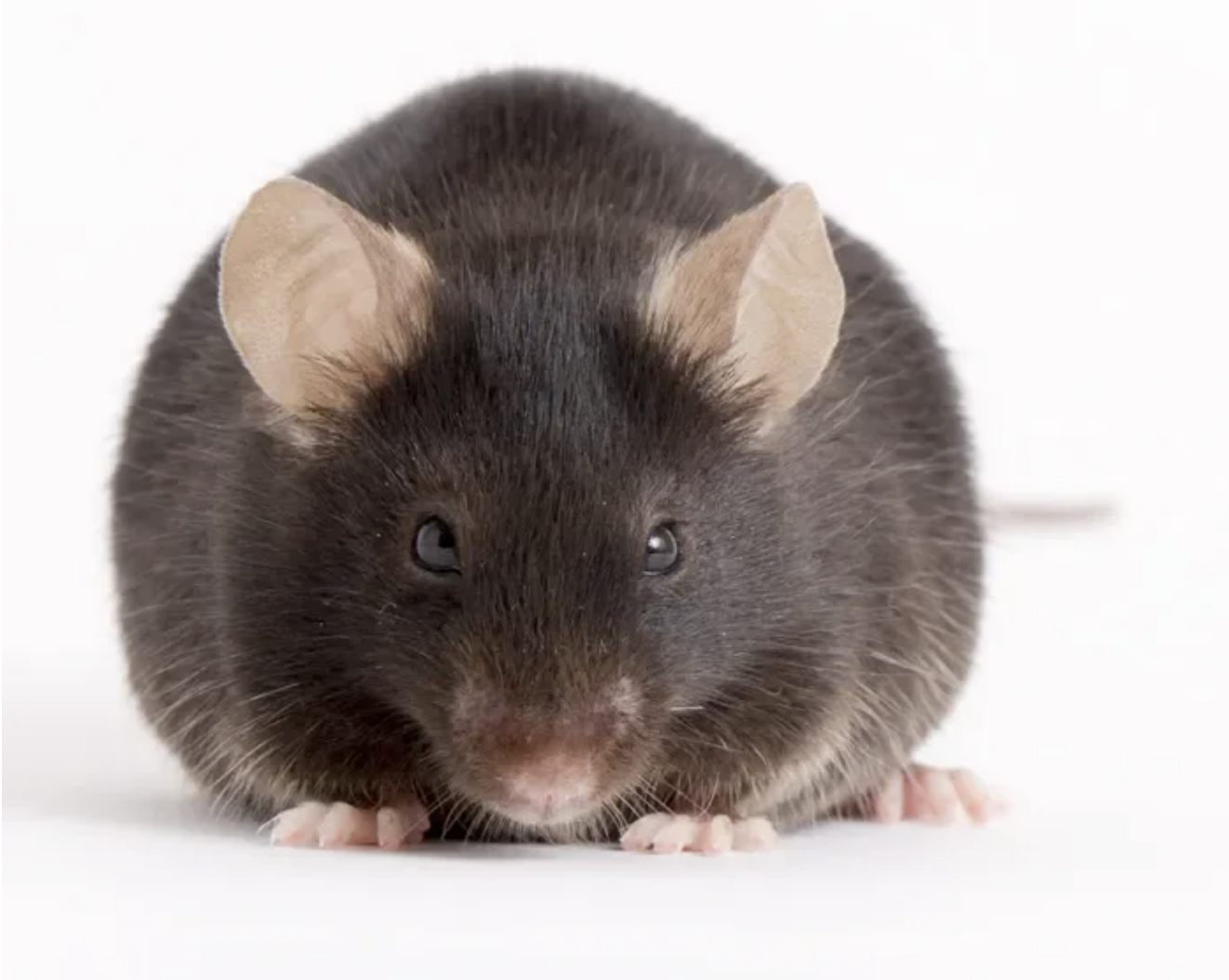
This is an experimental paper using C57BL/6J mice – the most widely used inbred mouse strain in biomedical research. C57 refers to the original strain developed by Clarence Cook Little in the 1920s. BL refers to black coat colour. 6 is the substrain number and J refers to The Jackson Laboratory.
Mice are naturally somewhat anxious around human experimenters, so there was no need to create an ‘anxious’ mouse model. Instead, the outcomes assessed the exploratory confidence of the mice using the OFT and the EPT as a measure of reduced natural anxiety.
The OFT is a 40cm square space with 40cm high walls at each side. The space is theoretically subdivided into 16 squares of 10cm by 10cm for the purposes of tracking the position of the animals. Mice were allowed to explore the space on their own for 5 minutes and the outcome measured the time spent in the central zone (the 4 central squares of the 16). An anxious mouse will tend to stick to the sides and corners.
The EPM is essentially a raised platform in the shape of a plus sign, ie two paths at right angles to each other and crossing in their middles. It is not really a maze as the name suggests. The paths were each 6cm wide and 66cm long. Where they crossed, the paths shared a 6cm square open platform. Apart from the open platform in the middle, one path was otherwise covered, and one path was entirely open. Clearly, the more confident and less anxious mice spent more time exploring the open path.
EA was applied for 15 minutes prior to testing at either GV20 (a pair of needles was used), ST36, PC6, or ST25. 3 different waveforms were tried and a range of different intensities. A sham procedure involved superficial needling without EA at GV20.
GV20 EA using an interrupted wave (as opposed to continuous 10Hz or dense-sparse 10/20Hz) appeared to be the best. This involved 5 seconds of stimulation at 10Hz followed by 3 seconds of no stimulation. An intensity of 1.5mA proved to be the better than 0.5mA, 1mA, 2mA, or 3mA.
The group went on to inject a retrograde polysynaptic neural tracer (PRV) encoding a fluorescent protein (EGFP) into GV20 to investigate the neural connections from the point. They compared this with a point 3mm lateral, which was the position of the paired needle for EA at GV20. We are led to believe that there were significantly fewer nerve cell bodies highlighted with EGFP in the paraventricular nucleus (PVN) when the lateral point was injected compared with injection at GV20. It looks as though the PVN on both sides was counted in this, which clearly would benefit a midline point with bilateral innervation.
The PVN is a convergence hub that integrates visceral sensory input from the NTS, limbic signals, circadian signals, and immune / inflammatory signals. So, essentially it can be seen as a command-and-control system for switching the organism between physiological states of threat-defence and safety-repair. The PVN is a major hub of OXT-related activity and OXT neurons from the PVN projecting to limbic structures regulate social bonding, trust and affiliative behaviours, anxiety suppression, and fear extinction. It is the latter to aspects that were being measured in the OFT and EPM outcomes of course, since the mice were on their own in these tests.
Compared with EA at ST36 and a non-EA sham, EA at GV20 resulted in a significant rise in OXT in both serum and the PVN. An OXTR antagonist (injected ip prior to EA) completely reversed the OFT and EPM outcomes.
The nine-amino-acid neuropeptides including OXT, AVP, and their homologs have been found in 5 phyla of invertebrates, suggesting that the basis for the OXT system was laid down in evolution some 700 million years ago.[2,3] That is more than twice as old as mammals.
The humeral role of OXT is taught in undergraduate human physiology (particularly parturition and lactation), but the behavioural role in humans (including social bonding and anxiety suppression) is a more recently discovered aspect of the neuropeptide’s function. Nasal sprays have not been a major success in commodifying this nine-amino-acid sequence, and this may be because the command-and-control systems of living organisms are much more complex than simply a set of molecular switches that can be hacked by sequencing the relevant molecules or their synthetic analogues.
I will finish with a comment on what OXT might have been doing 700 million years ago, several hundred million years before lactation was invented. It seems that it was, and still is, involved in olfaction (smell) and gustation (taste).[2] Principally through dendro-dendritic synaptic inhibition it can enhance the signal-to-noise ratio and improve social odour discrimination and modulate the hedonic valuation of sweet and fatty tastes. In brief (in truth this is a comically simplistic and selected summary of the numerous roles of OXT) it helps you smell your mates, chill out, and eat chips.
References
1 Gong H, Feng B, Cheng K, et al. Electroacupuncture to point Baihui confers anxiolytic effects by promoting oxytocin release from PVN in Mice. Chin Med. 2026;21:30. doi: 10.1186/s13020-025-01307-7
2 Grinevich V, Stoop R. Interplay between Oxytocin and Sensory Systems in the Orchestration of Socio-Emotional Behaviors. Neuron. 2018;99:887–904. doi: 10.1016/j.neuron.2018.07.016
3 Grinevich V, Neumann ID. Brain oxytocin: how puzzle stones from animal studies translate into psychiatry. Mol Psychiatry. 2021;26:265–79. doi: 10.1038/s41380-020-0802-9
 The BMAS Blog
You must be logged in to post a comment.