
Stimulated by Lui et al 2024.[1]
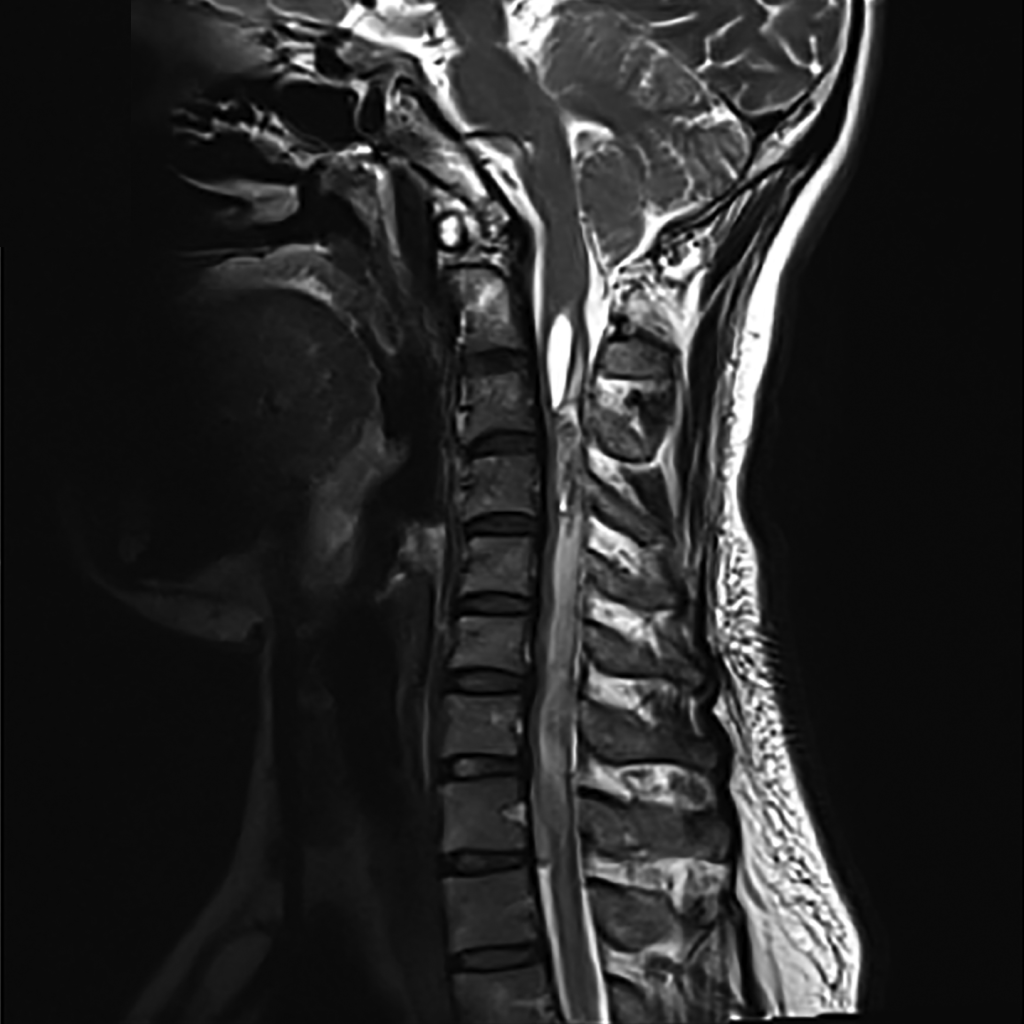
ISCA – intramedullary spinal cord abscess
IF – impact factor
hvKp – hypervirulent Klebsiella pneumoniae
GLASS-EAR – Global Antimicrobial Resistance and Surveillance System on Emerging Antimicrobial Resistance Reporting
ST – sequence type
GI – gastrointestinal– key to acronyms
This is an adverse event report from Chengdu in a 27-year-old man. It is a brief report in Annals of Neurology (IF 8.1). Whilst I have come across a variety of abscesses attributed to acupuncture, including the spinal epidural variety, I do not recall ever seeing an abscess within the substance of the spinal cord, hence intramedullary.
In a short report devoted to neuroimaging I am not surprised that acupuncture is only mentioned in two sentences and in the title, where a causative link is stated unequivocally.
The organism involved was described as hypervirulent Klebsiella pneumoniae (hvKp). Early in 2024, an organisation with the memorable acronym GLASS-EAR issued a request for information on hvKp ST 23. ST 23 is a gene sequence that includes a gene for carbapenemase, which gives the organism resistance to carbapenem antibiotics. Clearly, this is not the sort of gene sequence we want in the Klebsiella that live within us, but in evolutionary terms, we can hardly blame the organism, when humans are the main host and lots of us humans swallow an excessive quantity of chemicals designed to kill them. Apparently, 5% to 38% of us have Klebsiella in our stools, and 1% to 6% of us carry it in our nasopharynx.[2]
Having not heard of hvKp before, let alone hvKp ST 23, I did a quick search on PubMed for ISCA (written out in full) AND Klebsiella. There was only one paper, and it was from earlier in 2024. Curiously, it was also from Chengdu.[3] This paper had no mention of acupuncture and claimed to be the first report of ISCA caused by Klebsiella pneumoniae. This case also included a cerebral abscess deep in the left cerebral hemisphere suggesting that haematological spread, presumably from somewhere in the nasopharynx or lower GI tract, was the most likely source.
The current case report tells us:
Medical history revealed he received acupuncture for his cervical pain in local clinic.
It goes on to state:
Physicians should be aware that intramedullary spinal cord abscess is a potential life-threatening complication of acupuncture that is commonly attributed to contaminated needles.
Since this is the first case of ISCA associated with a history of acupuncture, and ISCA is an exceptionally rare condition, I am curious to know how the adverb commonly ended up in this sentence.
We have discussed the risk of inoculation with acupuncture needles here previously, and the only convincing case of infection of deep tissues directly attributable to acupuncture was less than 2cm from the skin surface.
I searched for Klebsiella AND acup* on PubMed and only found 9 papers, one of which was mine… more correctly, one on which I am an author.[4] This was an editorial discussing a case report of polyarticular septic arthritis and bilateral psoas abscesses following acupuncture.[5] Only one of the 9 papers was a case of infection related to acupuncture where Klebsiella pneumoniae was isolated from a retroperitoneal abscess.[6] In this case the cause was more likely to be puncture of the large bowel rather than inoculation or haematological spread.
So, what was the role of acupuncture in this fatal case of hvKp ISCA? It seems unlikely that it was direct inoculation, since this would have required the needle to penetrate the cord itself, which while possible you would expect an awake patient to remember. Could contaminated hands of the practitioner have resulted in some hvKp bugs to be inoculated under the skin and then spread via the circulation? I guess this is possible, but the first port of call would not likely be the cervical spinal cord.
It seems to me, given the other case report from Chengdu of hvKp ISCA, that the patient most likely suffered spontaneous haematological spread of hvKp from his own GI tract and sought acupuncture treatment for early symptoms of neck pain.
References
1 Liu J, Zhang S, Guo H. Intramedullary Spinal Cord Abscess Caused by Acupuncture. Ann Neurol. Published Online First: 2 August 2024. doi: 10.1002/ana.27044
2 Ashurst JV, Dawson A. Klebsiella Pneumonia. StatPearls [Internet]. StatPearls Publishing 2023.
3 Zhang W, Guo X, Xu X, et al. Case Report: A rare case of intramedullary spinal cord abscess with brain abscess caused by Klebsiella pneumoniae underwent surgical intervention. Front Surg. 2024;11:1338719. doi: 10.3389/fsurg.2024.1338719
4 White A, Cummings M. Psoas Abscess and Acupuncture. Acupunct Med. 2009;27:48–9. doi: 10.1136/aim.2009.000786
5 Ogasawara M, Oda K, Yamaji K, et al. Polyarticular Septic Arthritis with Bilateral Psoas Abscesses following Acupuncture. Acupunct Med. 2009;27:81–2. doi: 10.1136/aim.2008.000141
6 Cho YP, Jang HJ, Kim JS, et al. Retroperitoneal abscess complicated by acupuncture: case report. J Korean Med Sci. 2003;18:756–7. doi: 10.3346/jkms.2003.18.5.756
 The BMAS Blog
You must be logged in to post a comment.