

Stimulated by Liang et al 2026.[1]
EA – electroacupuncture
PCI – percutaneous coronary intervention
RCT – randomised controlled trial
IF – impact factor
PMI – peri-procedural myocardial injury
hs-cTnT – high sensitivity cardiac troponin T
CK-MB – creatine kinase myocardial band
WBC – white blood cell count
hs-CRP – high sensitivity C-reactive protein
IL-1β – interleukin 1βIL-6 – interleukin 6
TNFα – tumour necrosis factor α
CK – creatine kinase (total CK was used prior to CK-MB)
AST – aspartate aminotransferase
LDH – lactate dehydrogenase
MI – myocardial infarction
IQR – interquartile range
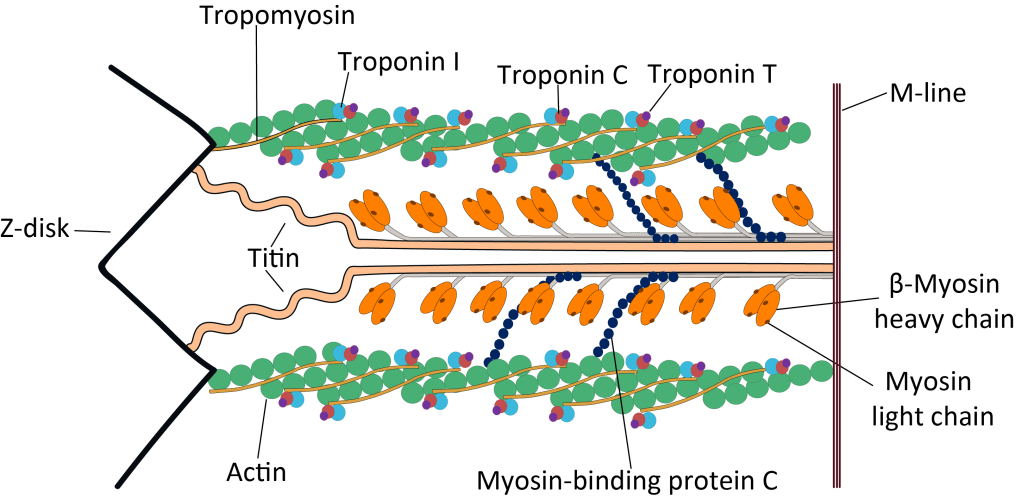
cTnI – cardiac troponin I– key to acronyms
This is a modest-sized RCT (n=120) from Guangzhou, China published in the journal Explore (IF 2.4). It is a single centre study of EA versus a superficial off-point sham performed during PCI.
This is the second paper I have highlighted on intra-procedural EA during PCI. The first was a pilot study from Shanghai with a connection to Cambridge – see EA for SF-NR 2026.[2]
The EA protocol was similar to the previous study, with the points PC6 and PC4 used on the left arm, but rather than 20Hz, the current study used 2/100Hz. They report starting at an intensity of 2–6mA, but I guess this is an estimate since the device they used does not appear to control or have a display of current output. Both studies essentially titrated the intensity based on patient tolerance.
The superficial sham was applied to points 15mm lateral the points used in the active EA group. An EA device was attached along with flashing indicators to mimic active treatment, but no current was passed between the needles. The previous study did not use a sham control.
The primary outcome was peri-procedural myocardial injury (PMI) as evaluated by the change in serum high sensitivity cardiac troponin T (hs-cTnT) from baseline to 24 hours post-PCI. Secondary outcomes included pain intensity (baseline, immediately post-PCI, 6 hours post-PCI), serum CK-MB and inflammatory markers (WBC, hs-CRP, IL-1β, IL-6, TNFα).
Those of you of my generation (trained in the 80’s) will predate the use of troponins. In those days we used CK, AST, and LDH. CK-MB became the gold standard at around the same time, but cTnT came into use in the early 90’s and took over as the preferred biomarker for detecting MI in 2000.
CK-MB still has some value since it normalises after 2 to 3 days, whereas cTnT takes 10 to 14 days, so the former biomarker is much better at detecting reinfarction. However, hs-cTnT is very much more sensitive and specific and can detect small infarcts with a high degree of sensitivity, hence it is the current gold standard.
The baseline median hs-cTnT was under 10 and similar in both groups. Under 14 ng/L is considered normal. 14 to 50 ng/L is a mild elevation and could represent a small MI or chronic disease. Typical MIs create serum levels of 500 to 5000 ng/L, but levels can reach into the tens of thousands.
Post-PCI in this study gave median (IQR) levels of 25 (12 to 109) in the EA group and 35 (14 to 237) in the control group (p=0.042). CK-MB levels followed a similar pattern but were not significantly different.
Patients lucky enough to get away without any myocardial injury numbered 15 (25%) in the control group and 27 (45%) in the EA group. Type 4a MI (defined by hs-cTnT exceeding 5x the upper limit of normal) occurred in 7 (12%) control patients and 3 (5%) EA patients. There were 2 other clinical categories that fall in between no MI and type 4a MI. There was a significant difference between groups when compared across all these categories (p=0.032).
2 of the 5 inflammatory markers were significantly reduced in the EA group at 24 hours post-PCI (IL-6 and TNFα), but these should be considered explorative since they were secondary measures and there was no correction (of the p value) for multiple testing.
So, this is a relatively neat result from a simple protocol, and it seems to me that it probably should be tested on a larger scale. These were the first such trials of which I was aware, but on checking the references I see that I have missed a paper from 2015,[3] and another from 2010,[4] both published in English (so no real excuse).
The 2015 paper (n=204) used pretreatment to the same points bilaterally 1–2 hours prior to PCI, but I think they must have used TEAS rather than EA. Anyway, the rate of type 4a MI (primary outcome) was reduced by 40% (from 50% to 20%, p=0.004).
The 2010 paper (n=60) was a little different in terms of points and population. This time it was real EA to PC6, LU7, and LU2, and was applied daily for 5 days prior to heart valve replacement surgery. The control group received needling without EA. The primary outcome was not specified but cTnI was measured at several time points after the aortic cross-clamp was removed following valve replacement. cTnI was significantly lower in the EA group at 6, 12 (peak), and 24 hours.
References
1 Liang Y-P, Zhang Y-S-Z, Zhang A-M, et al. Intraoperative electroacupuncture alleviates angina and attenuates periprocedural myocardial injury in patients undergoing percutaneous coronary intervention. Explore. 2026;22:103469. doi: 10.1016/j.explore.2026.103469
2 Wei X, Peng Y, Wang K, et al. Electroacupuncture for slow flow/no-reflow in patients with acute myocardial infarction undergoing percutaneous coronary intervention: a pilot randomized controlled trial. Front Cardiovasc Med. 2026;13:1756414. doi: 10.3389/fcvm.2026.1756414
3 Wang Q, Liang D, Wang F, et al. Efficacy of electroacupuncture pretreatment for myocardial injury in patients undergoing percutaneous coronary intervention: A randomized clinical trial with a 2-year follow-up. Int J Cardiol. 2015;194:28–35. doi: 10.1016/j.ijcard.2015.05.043
4 Yang L, Yang J, Wang Q, et al. Cardioprotective effects of electroacupuncture pretreatment on patients undergoing heart valve replacement surgery: a randomized controlled trial. Ann Thorac Surg. 2010;89:781–6. doi: 10.1016/j.athoracsur.2009.12.003


You must be logged in to post a comment.